A memorial honoring the Chinese and Chinese American people buried at Lone Fir Cemetery in Southeast Portland is under construction, with completion expected in spring 2027.
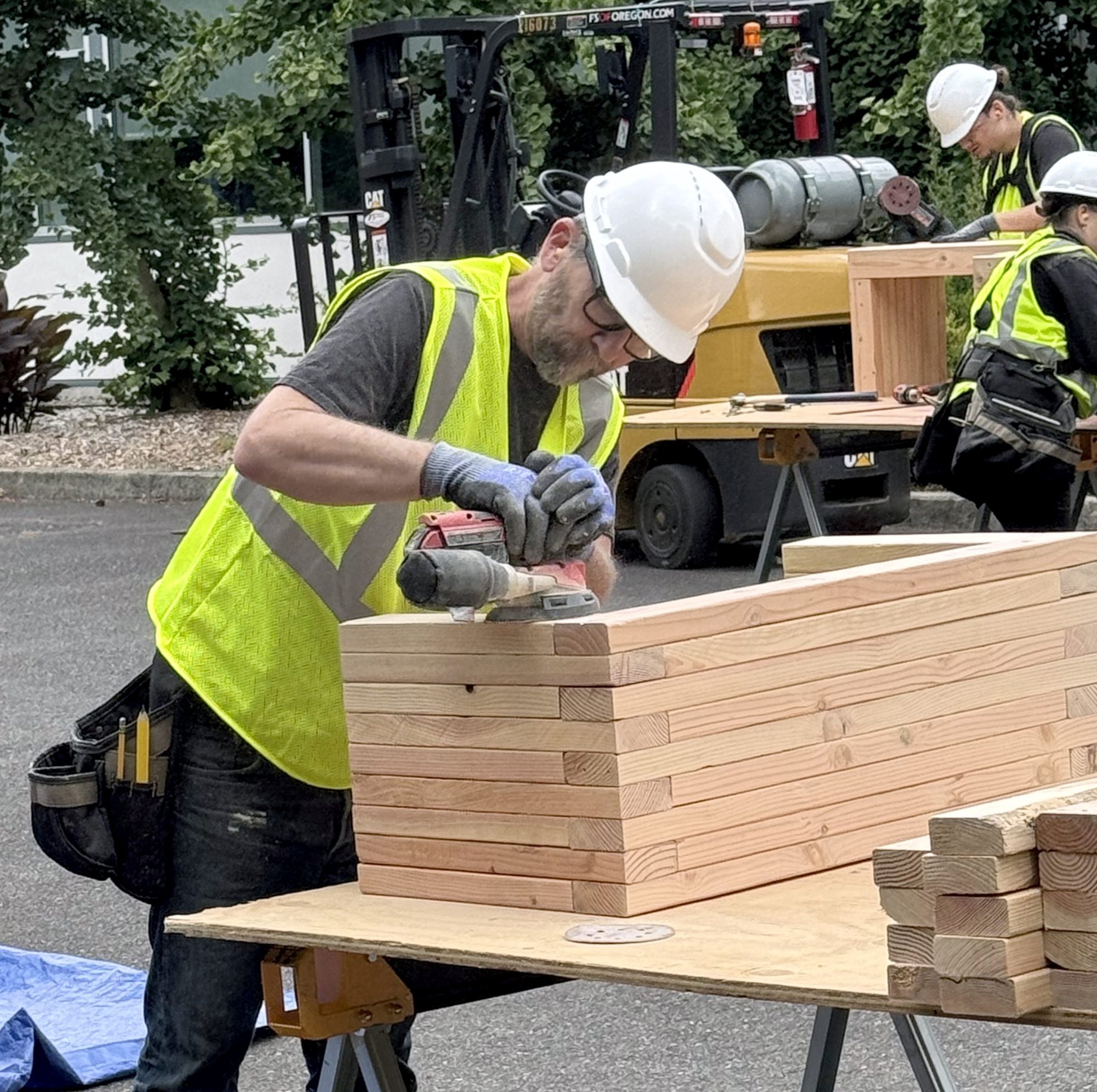
The project at Block 14, the cemetery's historic Chinese section, began construction in spring 2026 after years of research and community engagement, according to Metro, the regional government that owns the cemetery. As of mid-November, construction remained underway, according to Metro's historic cemeteries page.
"We are honored and humbled to start this final phase of the project," Metro Councilor Duncan Hwang, who represents District 6 where the cemetery is located, said in a Metro announcement. "Many people have worked toward this vision for so many years."
The memorial sits on ground with a painful history. Metro says more than 3,100 individuals of Chinese ancestry were buried at Lone Fir between the 1880s and 1920s, most of them in Block 14. A Multnomah County account puts the figure at as many as 2,892 since 1868. Many remains were later disinterred and returned to home villages in China, following cultural practices.
Then came the bulldozers.
In the 1950s, Multnomah County, which owned the cemetery at the time, bulldozed Block 14 to build a maintenance facility and parking lot. County workers removed remains without culturally sensitive collection practices and without recording names, according to Multnomah County. No other graves in the cemetery underwent such treatment.
The county's Board of Commissioners approved $1 million in its fiscal year 2025-26 budget on June 12, 2025, to help fund the memorial. Two weeks later, on June 26, 2025, the board unanimously passed a formal apology for the historic harm.
"The County's past actions at Lone Fir Cemetery are reprehensible," Commissioner Vince Jones-Dixon said at the June 26, 2025, board meeting. "While our apology and investment can't erase the disgraceful choices of the past, I see this as a vital step in acknowledging the pain and indignity imposed upon the Chinese and Chinese American community."
Neil Lee, vice president of the Oregon Chinese Consolidated Benevolent Association, called the apology "a significant step to rebuild trust, equity and inclusion, and acknowledge a historical injustice" at the same meeting.
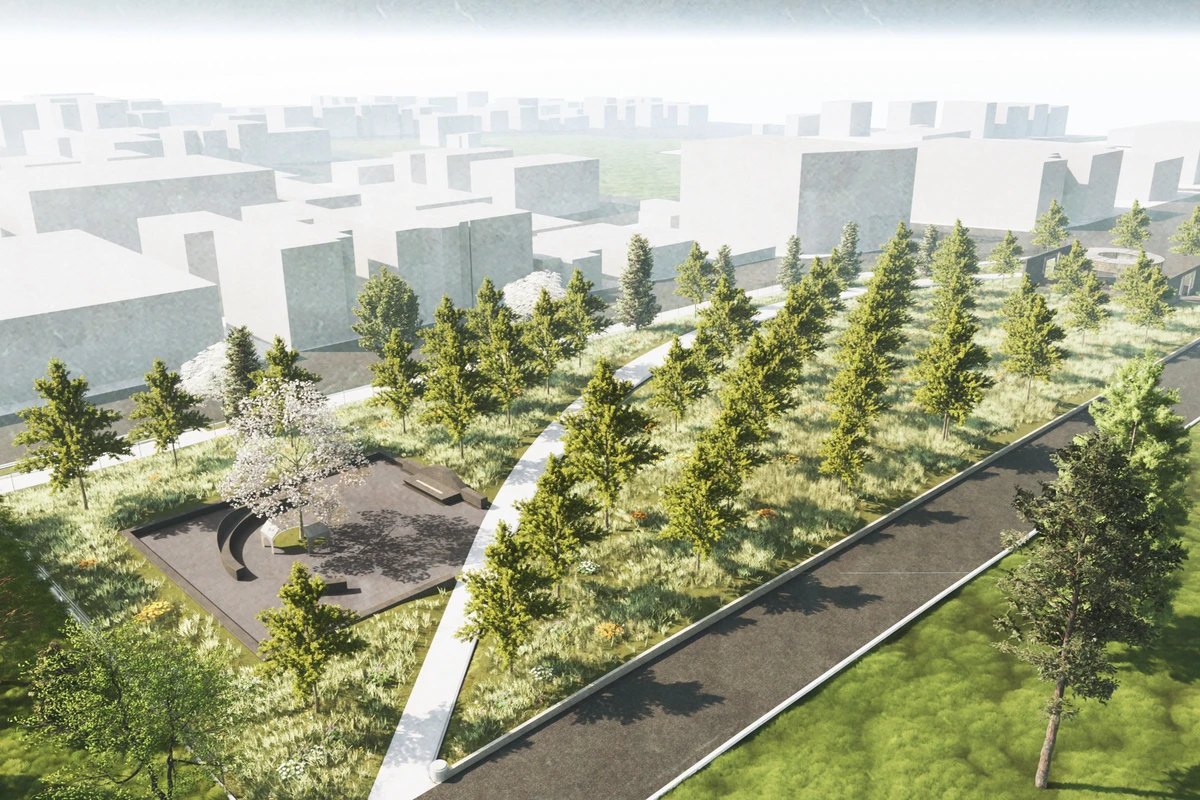
The finished memorial will feature a gateway with its name written in Chinese and one line of a couplet poem running down each side, a traditional form of gateway in Chinese architecture. Metro hired Master Chu, a Portland-based master poet, to create options for the gateway name and poem. Inside, a square pavilion will have stone walls etched with the site's history and a circular platform for traditional ancestor veneration, ringed by a screen of metallic tiles bearing names from the cemetery's historic ledgers.
A curved pathway will connect the pavilion to an open plaza with a new traditional altar, seating and interpretive materials.
Lone Fir Cemetery remains open during construction, though the southwest portion is temporarily closed. The walkway from Southeast Morrison Street is closed, and the accessway from Southeast 20th Avenue is being used for construction access. Metro contracted with Paul Brothers, Inc. to build the memorial and is working with Oregon's State Historic Preservation Office to meet guidelines for the archaeologically significant site.