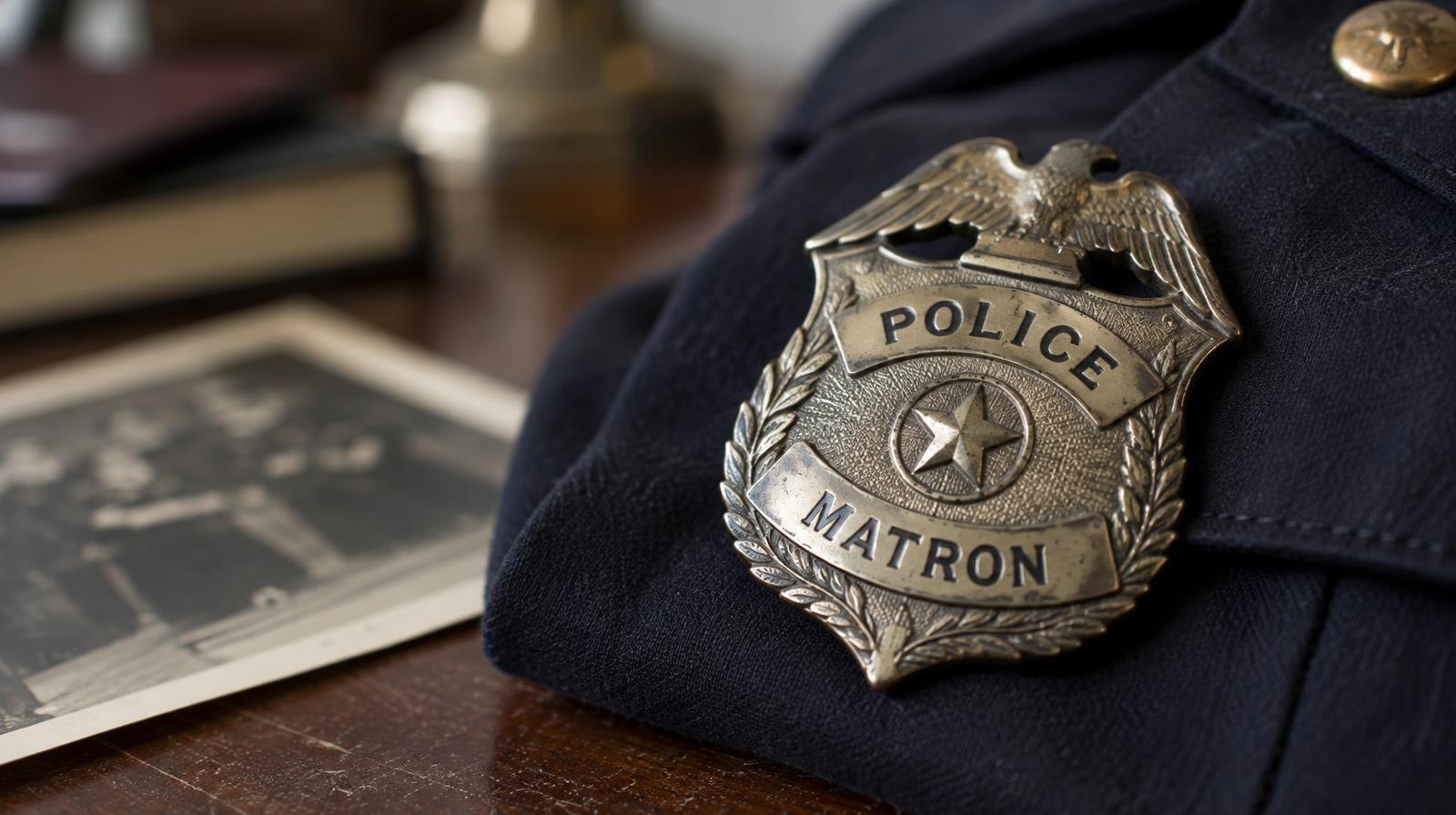
Geraldine Avery, who became Portland's first Black police matron in 1954, was remembered Tuesday, Oct. 6, by family, friends and community members who gathered to honor her life. She died in September at 103.
Avery's path to Portland began during World War II. Born in Kingston, New York, in June 1923, she worked as a journeyman welder at Bethlehem Steel on Staten Island before traveling west in 1944 with 11 other young welders, according to her obituary.
The group was redirected to the Kaiser Shipyard in Vancouver, Washington, where she became a master welder. She met Luther Avery at Kaiser, married him in 1945 and settled in Vanport.
The Avery family survived the Vanport flood of May 30, 1948, when a 200-foot section of a railroad berm collapsed and the city was underwater by nightfall.
In 1953, Avery took the civil service exam for police matron at the City of Portland jail. She placed second on the eligible list but was passed over twice.
She filed a complaint with the Oregon Labor Relations Division, which brought the matter to Portland police leadership. In 1954, the bureau hired her as its first Black police matron at the city jail at Second and Oak. The position involved working with women and juveniles in custody, KGW reported.
In 1970, when Portland moved to take the Police Bureau out of the jail business, male officers were grandfathered into new assignments. Avery and other police matrons learned through the newspaper that they would lose their jobs.
She filed a sex discrimination lawsuit against the city. The other matrons joined the suit, and a court ruled in their favor in 1973.
During the lawsuit, Avery was assigned to the Adult Probation Division as a probation officer. In 1973, she joined a federal pilot program in juvenile probation called Case Management, becoming Oregon's first Black female case manager.
In the mid-1970s, she returned to the adult jail system as a Multnomah County corrections officer. She retired in 1980 at the rank of sergeant.
The Portland Police Bureau did not hire a Black woman as a sworn officer until Carmen Sylvester in 1973, nearly two decades after Avery joined the bureau.
Former Portland Police Bureau assistant chief Dorothy Elmore, who met Avery early in her own career, described her as dynamic and articulate. Elmore said Avery encouraged Black women in the department to advance in the organization.
"She broke barriers. She broke the glass ceiling," granddaughter Deidre Avery said at the Oct. 6 gathering.
Beyond law enforcement, Avery served as a Cub Scouts den mother, volunteered with the PTA and worked at The Cottage at the old Goodwill. She bowled, golfed, took up oil painting and studied pottery and stained glass.
Her family remembered summers picking fruit from a tree in her backyard. When asked how she was doing, Avery always replied, "I'm blessed," her family recalled.
Avery is survived by her son Luther Avery Jr., daughters Yvonne Alexander and Diane Avery, five grandchildren and numerous great-grandchildren. Her family has asked that donations be sent to Meals on Wheels People in her memory.