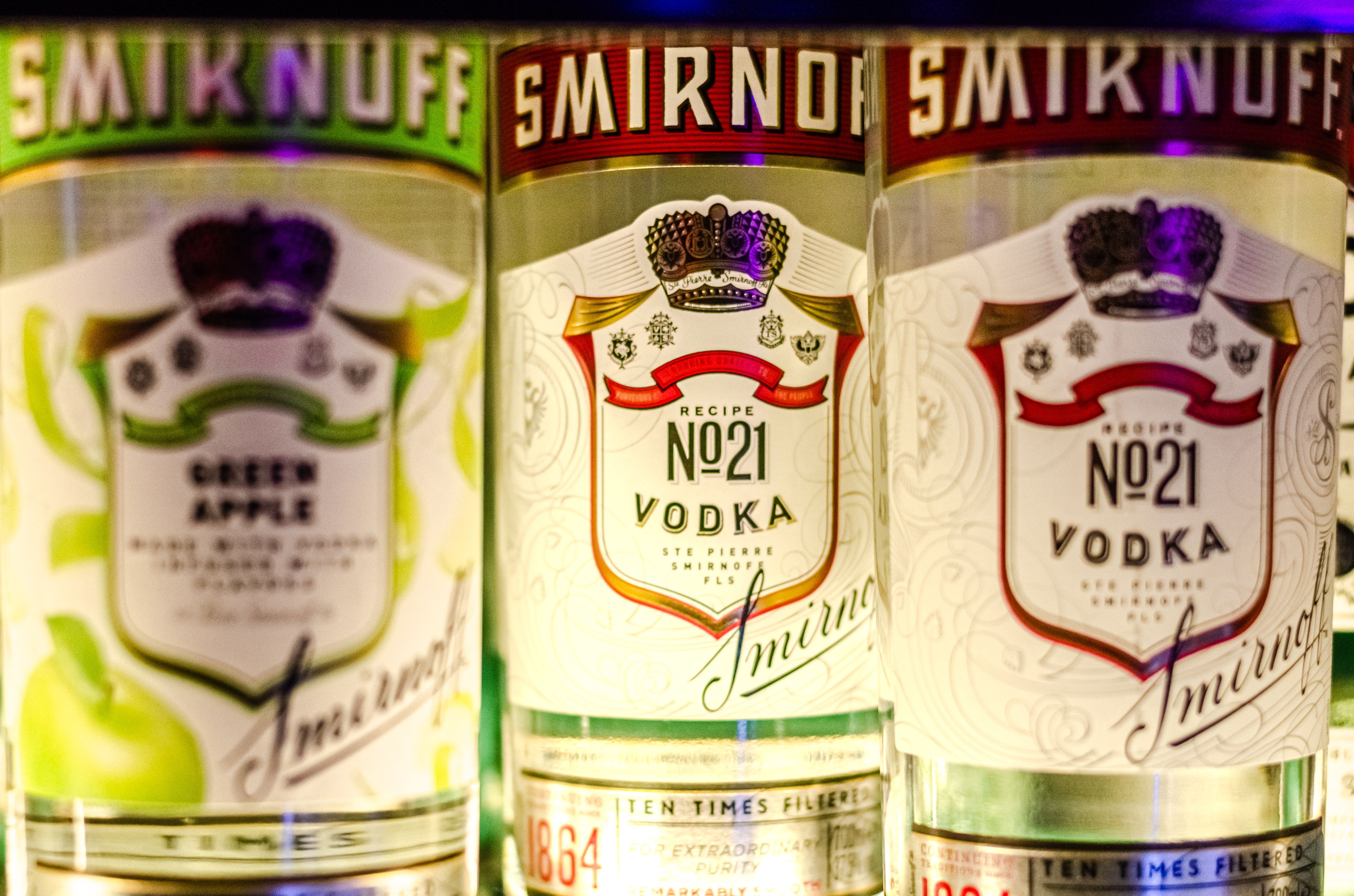
Portland grocery shoppers who want to grab a bottle of vodka alongside their produce may get a chance to vote on it in 2028.
Two Portland residents, David John Allison and Kyle LoCascio, have filed a ballot initiative that would allow grocery stores to sell distilled spirits, breaking Oregon's state-run monopoly on liquor sales. The Oregon Attorney General's office issued a draft ballot title for the measure on Friday, July 31, making it the first proposed 2028 initiative to reach that milestone, OregonLive reported.
Under current law, only state-regulated stores operated under contract with the Oregon Liquor and Cannabis Commission can sell hard liquor.
Oregon is one of 17 states that maintain government control over distilled spirits sales. Neighboring Washington privatized its liquor system after a 2011 ballot measure, and California allows grocery stores to sell spirits.
The petitioners' motivations remain unclear. LoCascio declined to comment when reached by OregonLive, saying only, "We can talk some other time in the future." Allison could not be reached.
The pair previously filed a similar initiative for the 2026 ballot cycle, but it failed to gather enough signatures. That failure contributed to a historic drought: Oregon's November 2026 ballot will carry zero citizen-led initiatives for the first time since 1966.
The initiative language mirrors a 2022 petition drafted by the Northwest Grocery and Retail Association, which abandoned that effort citing legal battles and delays. The association has distanced itself from the current push. Amanda Dalton, a registered lobbyist for the group, did not respond to a request for comment on July 31. A grocery industry representative told Willamette Week in April 2025 that grocers were not involved.
The stakes are significant for Portland's independent liquor stores, which operate as small businesses under OLCC contracts. The state owns the inventory in each store and sets retail prices at an average of 105% above cost, according to the Oregon Legislative Revenue Office's 2026 Basic Facts report. Net liquor revenue flows to the state General Fund (56%), cities (34% combined), and counties (10%).
That revenue stream has been shrinking. Net liquor revenue declined 7.5% in each of the last two fiscal years, per the same report.
Previous privatization attempts drew opposition from a broad coalition: beer and wine distributors, the state teachers union, small distillers, and the union representing state liquor warehouse workers.
In May 2022, when the grocery association was still pushing its own version, a spokesman said "Oregonians firmly believe that we should be able to buy liquor along with beer and wine at their local grocery stores as our neighbors in Washington and California are able to do."
Small distillers, many of them Portland-based, have historically opposed privatization over concerns about losing shelf space and favorable placement in the state system.
To reach the 2028 ballot, Allison and LoCascio will need to collect 117,173 valid petition signatures, according to the Oregon Capital Chronicle. The next step after the draft ballot title is a public comment period and certification before signature gathering can begin.