Portland's Union Station now carries formal recognition for its role in the city's African American history. The National Park Service approved an update to the station's National Register of Historic Places listing on Aug. 31, adding the terminal's Black labor history to documentation that had omitted it since 1975.
The City of Portland, Oregon Black Pioneers and Prosper Portland partnered on the application, according to the city's Bureau of Planning and Sustainability.
The Portland Historic Landmarks Commission and Oregon State Advisory Committee on Historic Preservation both unanimously recommended the update. Union Station, at 800 NW 6th Ave., was first listed in the National Register in 1975 for its Queen Anne and Romanesque Revival architecture and its role as a passenger rail hub. The original documentation left out the station's African American history entirely.
That history runs deep.
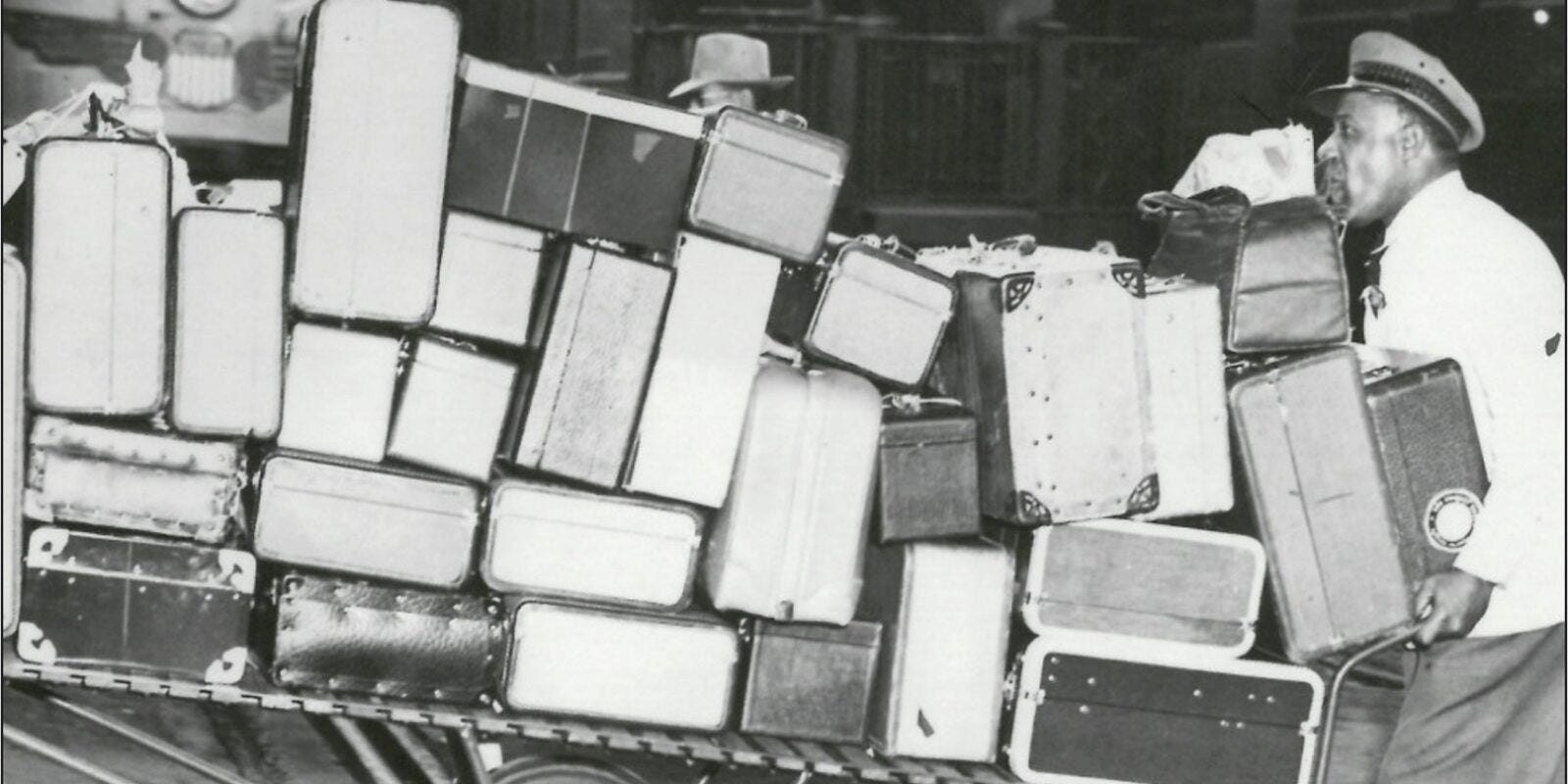
For much of Union Station's first 75 years, the railroad industry was the largest employer of Black Portlanders. African American men and women worked as Pullman porters, chair-car porters, Redcaps, car cleaners, cooks and waiters.
Discriminatory hiring practices largely shut Black workers out of management, but railroad jobs offered relatively stable wages when racial discrimination blocked most other employment.
Many Black railroad workers and their families first settled near the station in inner Northwest Portland. As discriminatory real estate practices limited where they could live, families moved across the Willamette River to Albina while keeping their economic ties to the railroad. Those wages helped some workers buy homes and build financial stability despite the discrimination they faced in housing and daily life.
Black railroad workers in Portland also pushed for change. Starting in the 1910s and continuing through the 1950s, they joined national and local campaigns to improve wages and challenge discriminatory employment practices. The local chapter of the Pullman Porters Benefit Association of America and a companion Ladies Auxiliary pressed for greater workplace protections in the 1920s.
Mariah Rocker, public programs manager for Oregon Black Pioneers, helped prepare the new National Register documentation. "Union Station is deeply connected to Portland's early Black history, and it's an honor to help ensure future generations will know that part of the story," Rocker said in the city's Thursday, Sept. 24 announcement.
In a July interview with the Portland Observer, Rocker described the broader challenge of preserving Black history in Portland's built environment, noting that the physical buildings where that history unfolded are frequently lost to displacement, development or the passage of time.
Local historian Kristen Minor also contributed to the updated application. Zachary Stocks, executive director of Oregon Black Pioneers, said the organization worked on the effort alongside the city and Prosper Portland to ensure the station's Black history is permanently part of its official record.
The update is part of the city's African American Historic Sites Initiative, launched in 2017 to document and protect historic resources tied to Black life in Portland. Other properties listed through the initiative include the Billy Webb Elks Lodge at 6 N Tillamook St., Mt. Olivet Baptist Church at 1734 NE 1st Ave. and the Golden West Hotel at 707 NW Everett St.
Union Station, described as the oldest continuously operating major passenger terminal on the West Coast, serves more than 586,000 passengers a year.
Prosper Portland is working with the Oregon Department of Transportation, Amtrak and the Federal Railroad Administration to secure funding for a comprehensive renovation estimated at $250 million or more.
Oregon Black Pioneers offers Black History Walking Tours of Portland's Albina neighborhood and other Oregon cities through September. Dates and tickets are available at oregonblackpioneers.org.