Portland's Confluence Project canceled or paused its spring break programs, summer camps and day camps in 2026 after state and federal grant funding was budgeted to fall more than 40% from 2023 levels.
The Indigenous arts and education nonprofit, which uses the Sandy River Delta near Troutdale and Southeast Portland's Center for Native Arts and Cultures as classrooms, is holding onto its school-year programming through a patchwork of private grants.
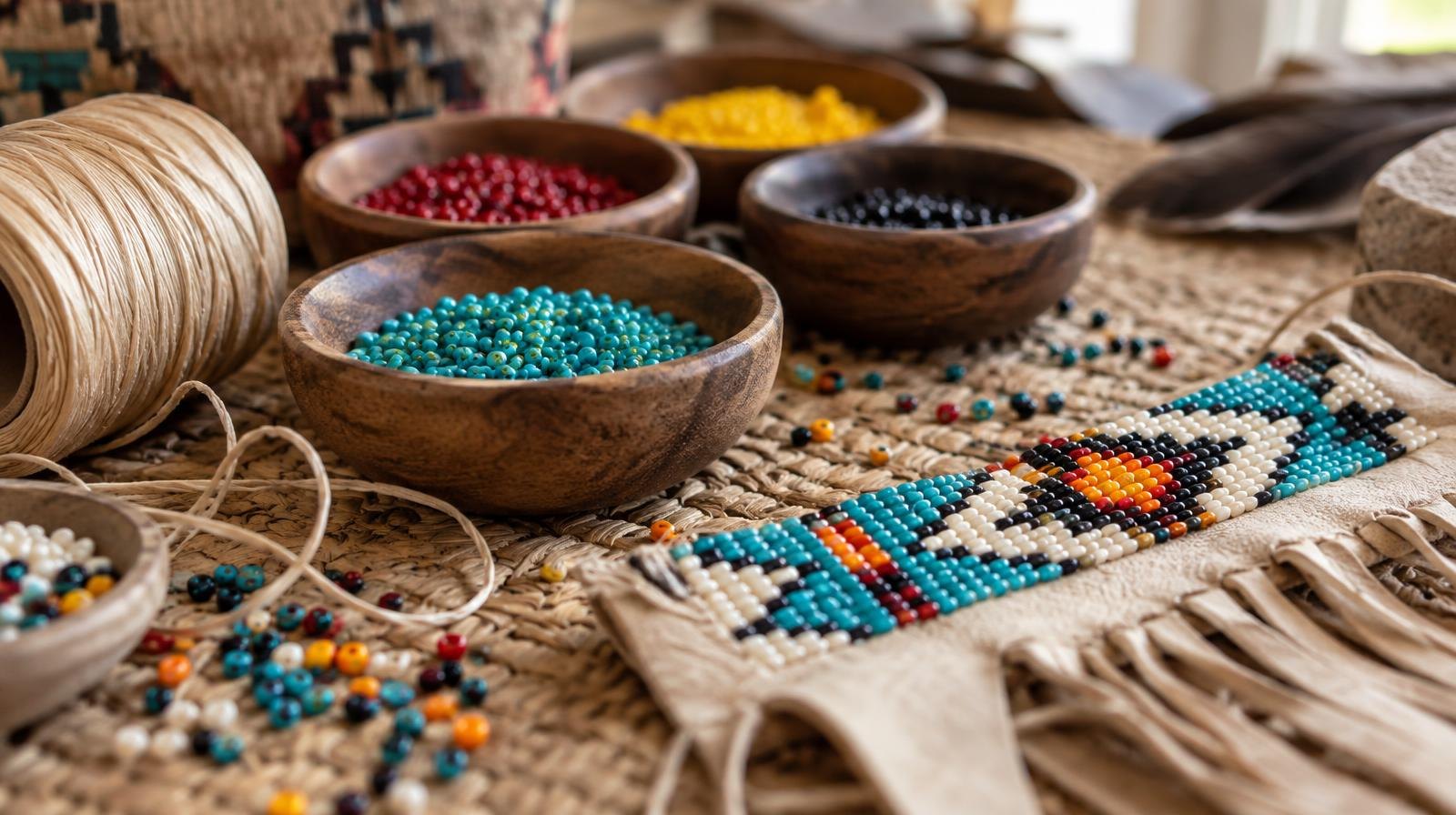
A $22,500 award from the Oregon Cultural Trust is funding Native-led workshops in beading, moccasin making, painting, filmmaking, photography and zine creation, Oregon ArtsWatch first reported Oct. 2.
Confluence's most recent tax filing showed just over $1 million in public support in 2025. Grants Manager Kiva Hanson told Oregon ArtsWatch the state and federal share is budgeted to drop by more than 40% from 2023 levels. The cuts forced the nonprofit to cancel or pause seasonal programming.
The losses come as in-school Native American Education programs across the region face their own reductions, Hanson said. She told Oregon ArtsWatch that many community organizations have also had to cut programming, increasing demand for what Confluence offers. The Wildhorse Foundation and the Potlatch Fund have also stepped up with recent support.
The private money is critical. Hanson said new investment would let Confluence restore canceled programs and build a schedule less dependent on uncertain government funding.
At the Sandy River Delta, a 1,400-acre park near Troutdale, students gather inside architect Maya Lin's bird blind, a sustainable-wood structure inscribed with the names of native species.
They remove invasive Himalayan blackberry to make room for Indigenous first foods like elderberry, Oregon grape and thimbleberry. That outdoor work was made possible in October through grants from the East Multnomah Soil and Water Conservation District and Oregon Metro.
In September, students from Salem's Chemawa Indian School and the Native American Youth and Family Center's Many Nations Academy in Portland met at the Center for Native Arts and Cultures, at 800 S.E. 10th Ave., for Yakama-focused immersion programming. Sarah Amalia Lawrence-Welch, Confluence's programming and partnerships director, said she designs each camp around a single tribal tradition rather than a generic approach.
"We can't just teach Native youth 'Native culture' or 'traditional art.' There isn't such a thing. Each tribe, band, or peoples are different, and need to be seen as such," Lawrence-Welch told Oregon ArtsWatch.
Yakama Nation member Linda Higgins, who learned beadwork and weaving from her mother, led four rounds of basket weaving classes in the Salem-Kaiser School District as part of the partnership.
Executive Director Leah Altman, who is Oglala Lakota, has been steering Confluence toward becoming a fully Native-owned and operated organization. In a Sept. 16 interview with Oregon ArtsWatch, Altman said funding cuts are pushing students away from school: "A lot of youth are becoming disengaged in school, because they're not seeing their culture represented."
Founded in 2002 for the Lewis and Clark Bicentennial, Confluence built public art installations spanning 438 miles along the Columbia River, including the Maya Lin bird blind. The nonprofit has since shifted its focus to education and launched a fellowship for Native teachers that drew 50 educators to a symposium on May 31.
A public fashion show tied to Confluence's Threads of Heritage Project, featuring work by 23 youth from the Umatilla Reservation, is scheduled for Saturday, Nov. 7. Confluence plans to set a date for a 2027 educator symposium.