Black Oregonians are voting at nearly double the rate of a decade ago, a new Urban League of Portland report found. But the income gap with white households has widened, and public schools are failing Black students.
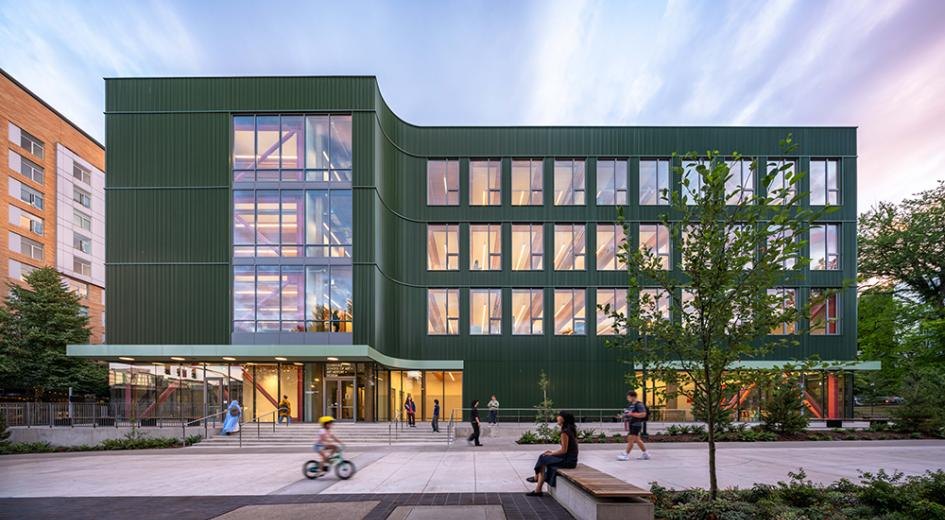
The 2026 State of Black Oregon, previewed Oct. 6 at a panel event at Portland State University's Urban Center Building, compares data spanning at least 16 years. The full report will be released in November, according to OPB. It follows similar studies published in 2015 and 2009, according to The Oregonian.
Jazzmine Waugh, the Urban League's associate director of data and strategy who led the research, walked students, academics, nonprofit leaders and community members through the top-line findings at the Oct. 6 event.
Civic engagement surged. Voter registration among Black Oregonians increased 24% between 2012 and 2024. The share who actually voted rose from 37% to 63% in that same period. Black representation in both chambers of the Oregon Legislature roughly doubled between 2015 and 2026, according to the report.
Bright Alozie, chair of Portland State University's Black Studies department, said civic participation tends to spike when people feel their access or services are threatened.
Education gaps persisted. English and math proficiency among Black students declined between 2014 and 2025 for both fourth-graders and high schoolers. Disciplinary incidents rose faster for Black students than for white students. During the 2024-25 school year, Black students made up 2.5% of Oregon's student body, but just 0.9% of teachers were Black.
Lakayana Drury, founder and executive director of Word is Bond, a nonprofit teaching leadership skills to young Black men, questioned whether public schools can serve Black students at all. He pointed to Portland Public Schools, which recently proposed closing up to 14 buildings.
"How are you gonna get Black teachers when the school district at a baseline can barely retain the teachers it has?" Drury said. At the same panel, the audience erupted in applause after Drury compared the investment Black students deserve to the public effort to keep the Trail Blazers in Portland.
One bright spot: the share of Black Oregonians holding a bachelor's degree rose from 17% in 2015 to 22% in 2023.
The income gap widened. The gap in yearly income between Black and white households grew by about $9,000 between 2010 and 2023. Black homeownership fell over roughly the same period. Black-owned businesses tripled their share statewide, rising from 1% in 2012 to 3% in 2021, and Black unemployment dropped between 2015 and 2024.
Health outcomes were mixed. Fewer Black Oregonians died of cancer in 2024 than in 2015, and diabetes diagnoses fell. But the share of infants born to Black mothers with a low birth weight increased from 9.4% to 10.7% between 2016 and 2024.
In criminal justice, the share of Black youth in juvenile detention jumped from 8.6% in 2015 to 14% in 2024, even as the rate for incarcerated Black adults held steady.
The report's executive summary includes policy recommendations for Oregon lawmakers across health, education, housing and economic opportunity. The full report is expected in November.
Alozie framed the stakes in personal terms, calling for what he described as "durable belonging" for Black Oregonians. Can Black people afford to live in Oregon, buy a home without extra barriers and raise their children here? he asked. Those are the questions, he said, the next report should be able to answer.