A Portland energy consultant who analyzed the January 2025 Los Angeles wildfires for The New York Times is warning that Portland shares key vulnerabilities with LA and has fewer resources to respond if a similar urban wildfire strikes.
Robert McCullough, an Eastmoreland resident and adjunct professor at Reed College and Portland State University, has been making the case publicly to local and federal officials, utilities, and community audiences.
At a June 21 lecture at Reed College's Vollum College Center attended by about 100 people, he laid out his core argument: Portland's steep hillsides, asphalt-roofed homes packed into dense neighborhoods, and fragmented land management mirror the conditions that allowed two small ignitions in LA to destroy more than 15,000 structures and kill 31 people on January 7.
"Portland is less prepared and has considerably less resources than L.A.," McCullough said.
McCullough calls a devastating Portland wildfire a "black swan event," his term for a scenario officials treat as too unlikely to plan for but which could prove catastrophic under the right combination of drought, heat, and high winds.
Where the risk sits
McCullough identifies two high-danger zones. Most city wildfire mitigation focuses on Forest Park, which sits adjacent to six miles of petrochemical tank farms along the Willamette River's west bank.
But he argues the eastern escarpment at Oaks Bottom Wildlife Reserve poses a more immediate threat to residents. A fire there could race into the Sellwood, Brooklyn, and Eastmoreland neighborhoods, putting an estimated $6 billion in property at risk, according to McCullough's research firm.
That figure has not been independently verified by city or state agencies.
At the June 21 lecture, McCullough told the audience that some Inner Southeast neighborhoods sit less than a mile from those hazards. Under conditions like the Eaton Fire, he said, that distance represents less than 30 minutes of fire spread. At least three small wildfires were fought by local firefighters in Oaks Bottom in 2025, according to The Bee.
Portland Fire & Rescue's Fire Chief Lauren Johnson and several senior officers attended that presentation, The Bee reported.
Why the warning matters now
The warning lands during Oregon's driest stretch in years. The period from August through November 2025 was the warmest fall on record across the Northwest in more than 130 years of data.
Gov. Tina Kotek declared a wildfire state of emergency in mid-June 2026, and numerous Oregon counties are under drought emergency declarations, according to Oregon Capital Chronicle reporting. State climatologist Larry O'Neill said in June 2026 that the Northwest could face "one of the strongest El Niños we've had."
What the city is doing
Alan Fitzpatrick, Portland Fire & Rescue's wildland strategic planning manager, said the bureau coordinates with land managers on risk reduction but acknowledged the challenge of fragmented oversight.
About 20% of Portland's acreage is urban greenspace, split among the federal Bureau of Land Management, Portland Parks & Recreation, and private owners.
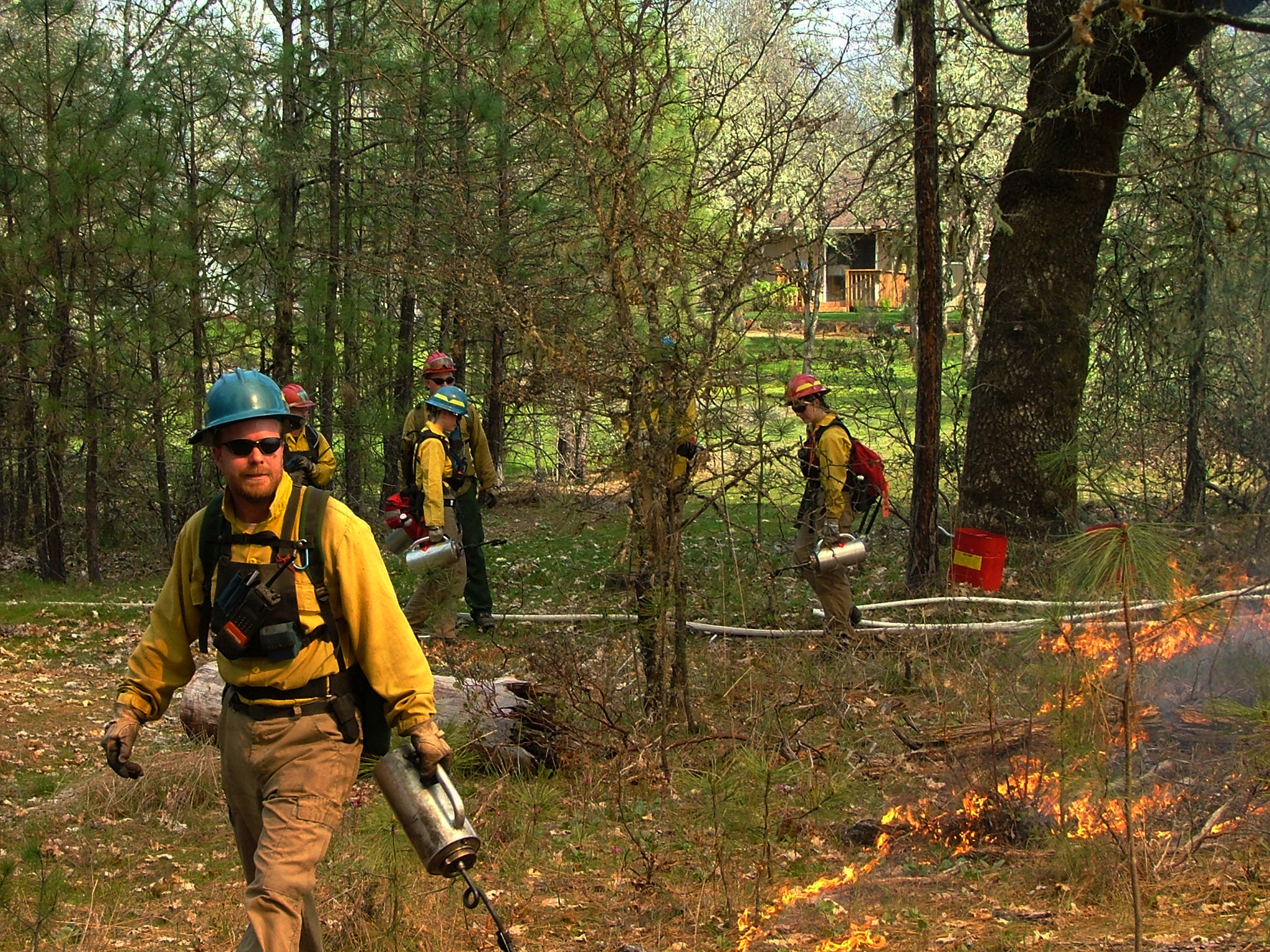
Portland Fire & Rescue operates 31 fire stations, some equipped with brush units for wildland response, enforces a strict burn ban, and conducts frequent patrols of high-risk areas.
Kim Kosmas, coordinator of the department's Public Education Office, said stations near high-risk areas run training and community education programs.
Detection gaps
For early detection, Portland-area officials rely primarily on 911 calls and Portland General Electric's AI-enabled wildfire camera network, according to John Wheeler, head of emergency management in Washington County. Two PGE cameras surveil Forest Park, but the utility's system is designed to protect electric infrastructure, not serve as a general fire detection tool. PGE has no plans to add cameras in the next two years, and Portland Fire & Rescue does not plan to commission its own, Fitzpatrick said.
McCullough recommends the city invest in AI ignition-detection cameras on the west side of the river and commission additional risk studies. He estimates such cameras cost roughly $50,000 per year.
Residents can sign up for location-based wildfire alerts at publicalerts.org.