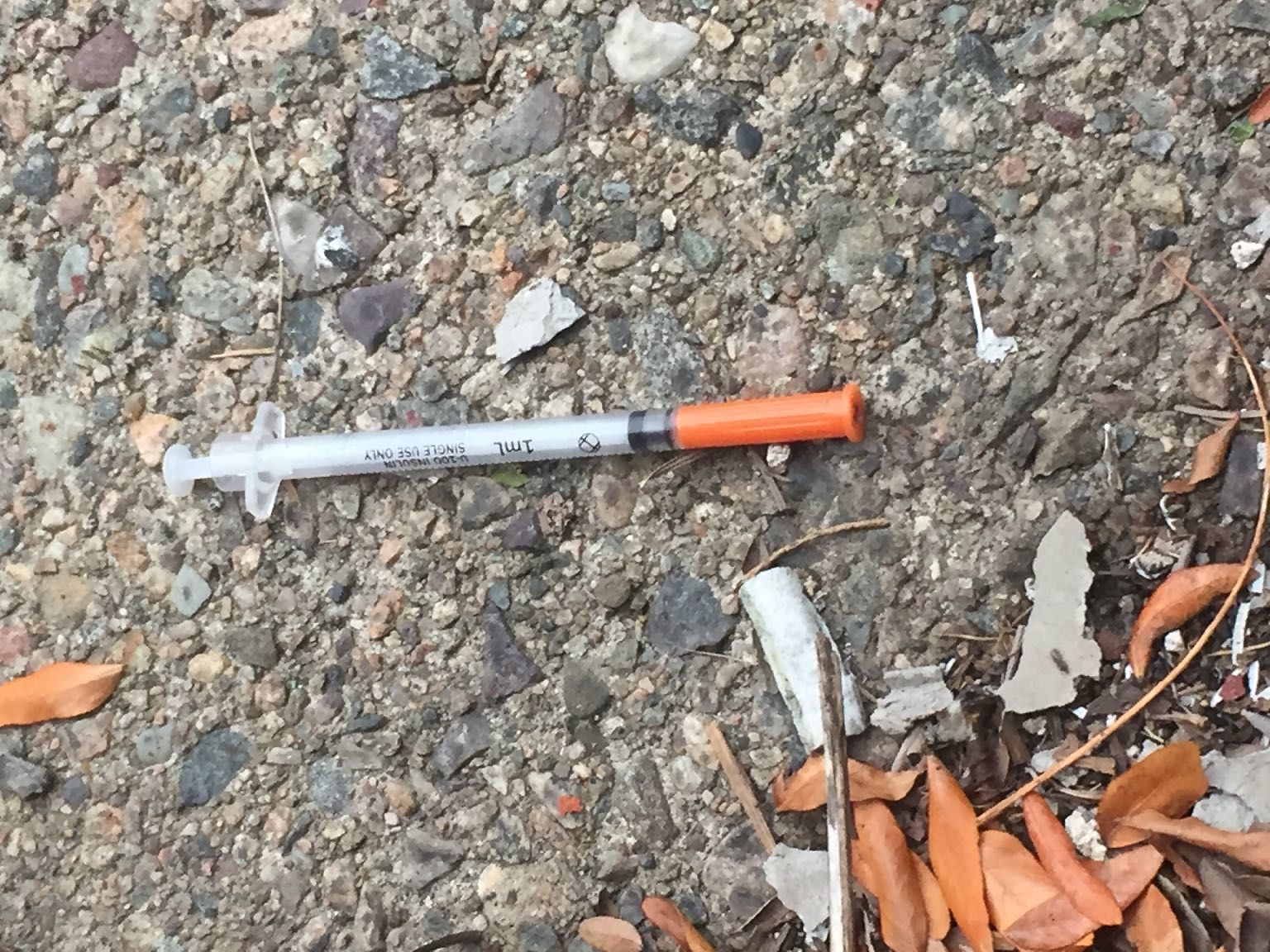
Mobile syringe service programs can no longer set up within 1,000 feet of any K-12 school in Multnomah County.
The ordinance takes legal effect Saturday, July 25, but active enforcement won't begin until August 24, giving the county Health Department 60 days to build a complaint-driven enforcement system.
The department plans to launch a dedicated webpage, email inbox, phone line, and hire one staff member to handle reports.
Co-sponsors Commissioner Julia Brim-Edwards and Commissioner Meghan Moyer framed the policy as a bridge until the Oregon Legislature takes up the issue. A similar state bill, SB 1573, proposed a 2,000-foot buffer around schools and licensed child care facilities but stalled in a Senate committee during the 2026 session. The county's version is narrower: half the distance, schools only.
"This ordinance continues the County's commitment to harm reduction while balancing the safety of children," Moyer said. "This is a stopgap measure. We fully anticipate the state will pass a similar law, and they should."
The Board acknowledged in the ordinance text that syringe service programs reduce HIV and Hepatitis transmission and connect people to health and social services. The restriction targets only mobile or temporary distribution sites; fixed-location programs and services arising from a licensed clinician's patient care are exempt.
A permanent program whose building becomes temporarily inaccessible may operate a mobile unit nearby under a limited-term waiver.
Supporters included local school districts and the mayors of Portland, Gresham, and Troutdale. Written testimony from harm reduction providers, healthcare professionals, and disability rights advocates opposed the measure, arguing it would stigmatize people and limit access to life-saving services. No named opposition spokesperson appeared in the county's public record of the vote.
Enforcement will focus on education first. Violators receive a formal compliance letter; persistent violations could lead the county to file an action in Circuit Court. The estimated one-time enforcement cost is up to $159,800, funded through the adopted fiscal year 2027 budget.
Commissioner Shannon Singleton, who voted yes, said she would continue working with Board and City colleagues on broader syringe disposal options countywide.
The ordinance sunsets no later than January 1, 2028, or earlier if the Board votes to end it, in anticipation of state legislation during the 2027 Oregon session.