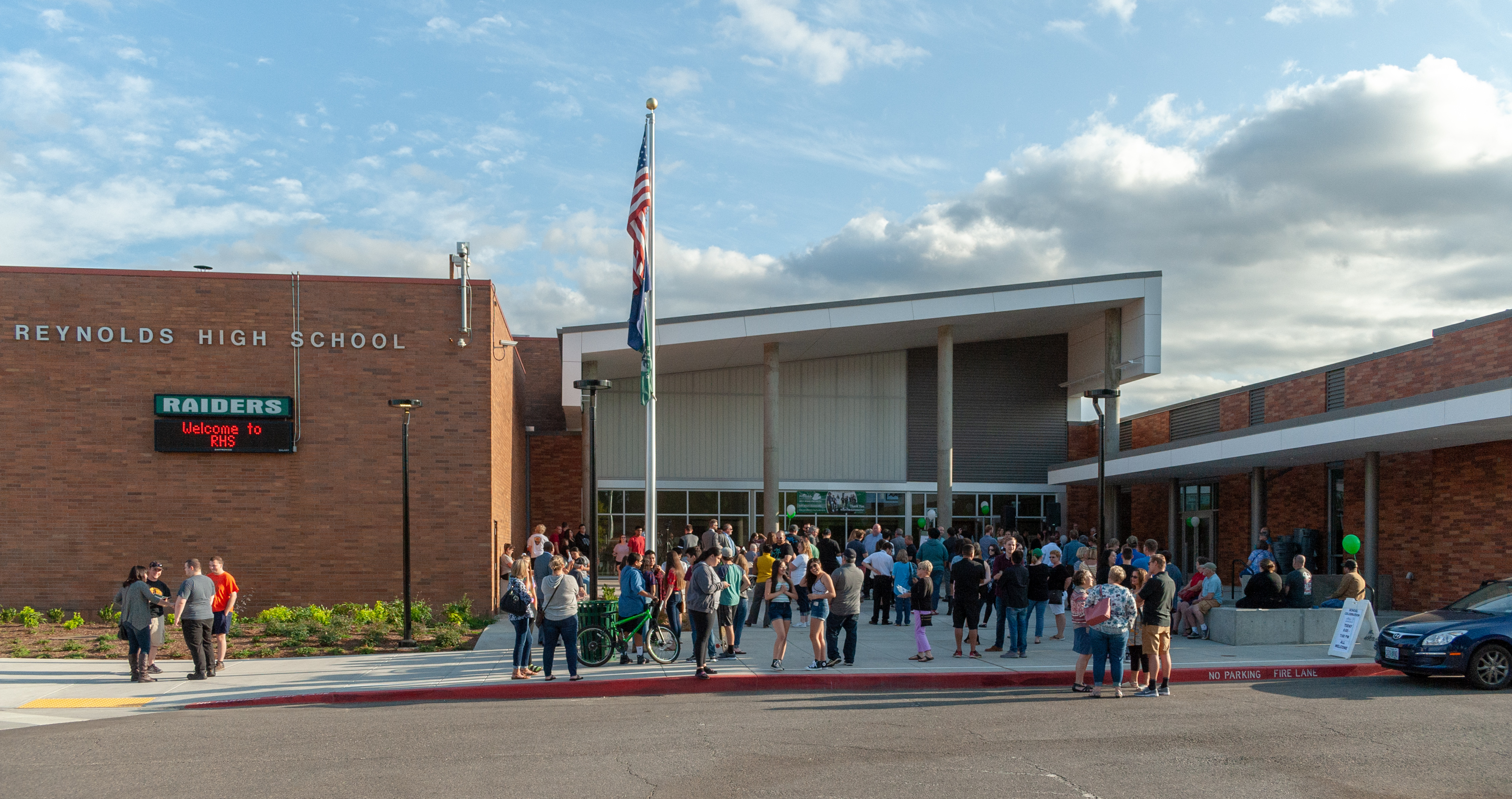
Reynolds School District is funded as if 16% of its students live in poverty.
Direct-certification data put the rate at 51%, according to The Oregonian. That gap, documented in a multipart Oregonian investigation by education reporter Julia Silverman, means Oregon's 30-year-old school funding formula is shortchanging the highest-need districts in east Portland by millions of dollars each year.
Silverman appeared on City Cast Portland on July 24, to discuss the findings. The Oregonian's investigation concluded the formula may need to be rebuilt from scratch.
The state distributes more than $8.5 billion in school funding annually using a formula written in 1991.
Oregon is the only state that relies on U.S. Census Bureau estimates rather than direct student-level data to count how many children come from low-income families, according to The Oregonian's reporting. That method overlooks more than 100,000 low-income students statewide, according to a Salem-Keizer School District analysis.
Salem-Keizer Superintendent Andrea Castañeda called the Census-based method "the most flagrantly nonfunctional" part of the system in The Oregonian's July 9 report.
What it costs east Portland
Reynolds has the highest rate of student poverty in the Portland metro area.
Under a redistribution model that swaps Census data for direct-certification counts, Reynolds, Gresham-Barlow, and David Douglas would each gain between $1.5 million and $2.7 million, according to the Salem-Keizer analysis. Portland Public Schools and Beaverton would lose nearly $5 million and $7 million, respectively.
The formula also caps special education funding at 11% of students, even though nearly 15% qualify statewide. And it rewards districts with the most experienced teachers, an inherent disadvantage for high-turnover districts like Reynolds.
Reynolds Superintendent Frank Caropelo called his district "the canary in Oregon's coal mine" in fall 2025, when Reynolds cut six days from its school calendar to close a $5.5 million budget gap. Parkrose, which serves about 2,800 students, faces compounding pressure. The district budgeted zero dollars for three federal Title funding streams for the 2026-27 school year after those programs provided about $300,000 the prior year, Parkrose business services director Sharie Lewis told Education Week in October 2025.
What comes next
Rep. Zach Hudson, a Troutdale Democrat who formerly taught at Reynolds and Gresham-Barlow high schools, chairs the House Education Committee and is leading a six-month workgroup to build consensus on a formula rewrite before the Legislature reconvenes in 2027. His goal, as reported by The Oregonian: legislation that puts changes into effect by the 2029-30 school year.
A separate workgroup led by Rep. Ricki Ruiz of Gresham and Sen. Janeen Sollman of Hillsboro plans to produce a recommendation by December 2026.
Gov. Tina Kotek declined an interview on the formula but said through a spokesperson that she is open to further conversation around poverty weighting and the special education cap. No specific public comment dates for either workgroup have been announced.