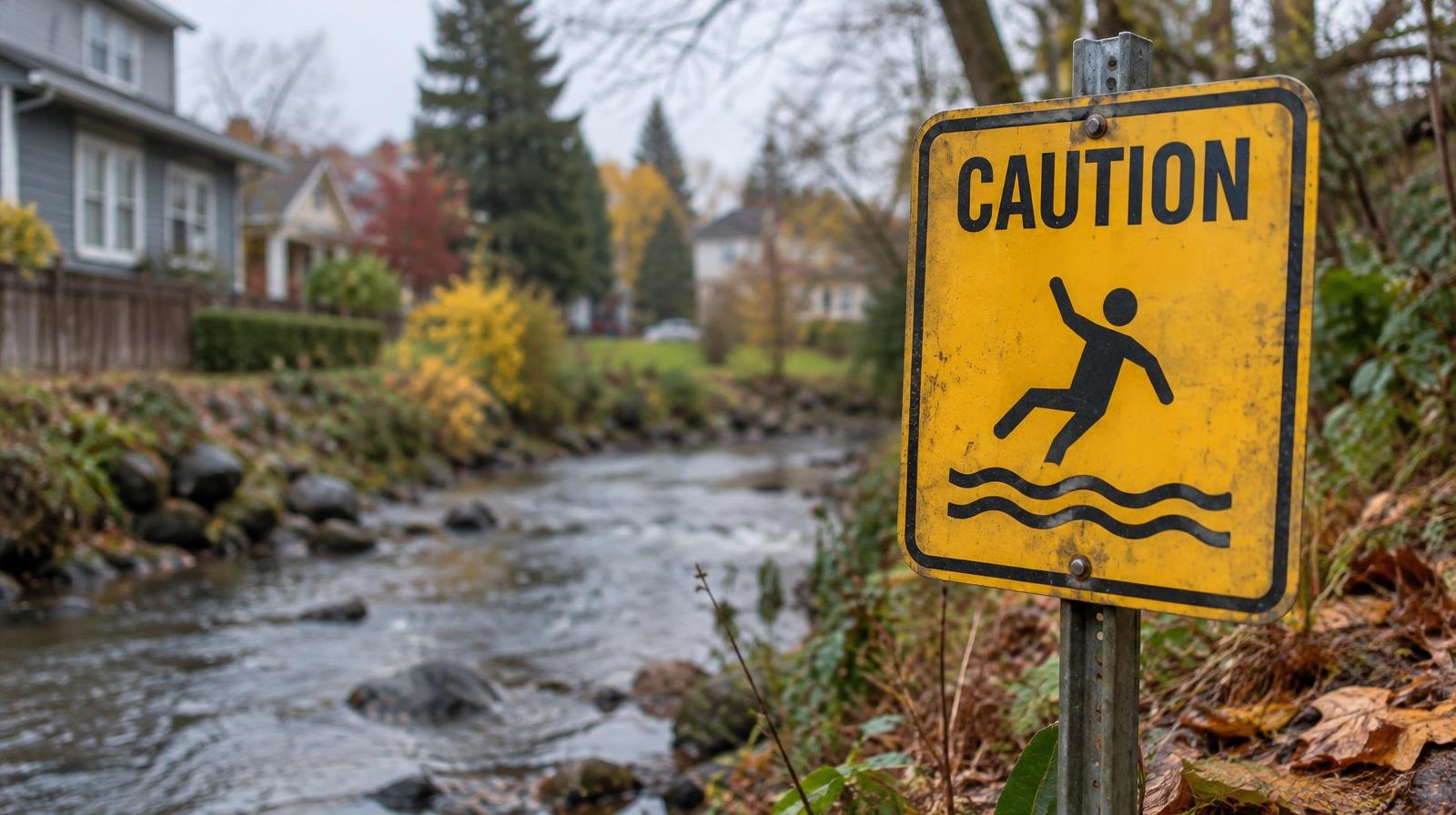
Precision Castparts Corp. spilled nearly 400 gallons of industrial chemicals into southeast Portland's Johnson Creek in September, killing fish along a two-mile stretch.
The Oregon Department of Environmental Quality (DEQ) notified the company on Friday, Oct. 23, that the spill constituted two Class I violations, the most serious classification under Oregon environmental law, OPB first reported.
The company could face financial penalties and orders to perform corrective actions, according to DEQ's enforcement page.
The chemicals, primarily sodium hydroxide, leaked from the company's air pollution control equipment and potentially entered the creek through its stormwater system between Sept. 17 and Sept. 19, DEQ's notice states.
Sodium hydroxide is highly corrosive and can cause deep chemical burns. The company also discharged smaller amounts of sodium hydrosulfide and sodium chlorite, according to the state's notice.
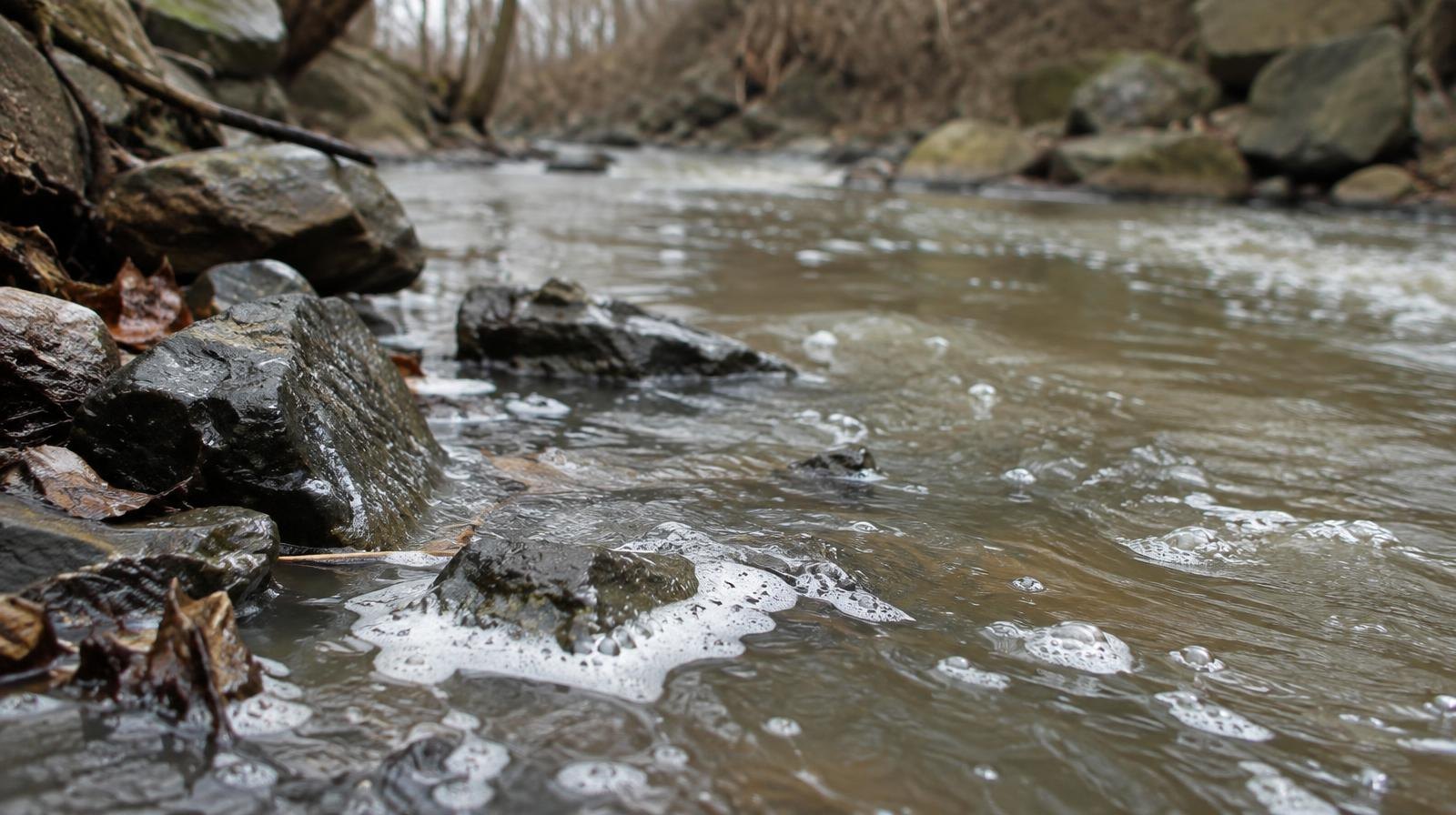
Dead fish were found along the Springwater Corridor bike trail. DEQ officials began investigating after reports of a "foamy discharge" in the creek on Sept. 18.
Company waited days to report
Precision Castparts did not report the discharge to DEQ until about 10 days after the spill, OPB reported.
A week after that initial report, the company told regulators the discharge totaled 394 gallons. The company said there are no ongoing discharges into the creek.
OPB reported that Precision Castparts did not respond to requests for comment. No public statement from the company regarding the spill appears in available records.
Oregon Health Authority (OHA) spokesperson Jonathan Modie said Oct. 23 that there is no ongoing risk to the public. "The types of chemicals released do not persist or build up in the environment or in the bodies of fish," Modie said, according to OPB.
History of pollution enforcement
The Portland-based manufacturer, which makes metal castings for aircraft engines and gas turbines, is owned by Berkshire Hathaway and operates 120 factories worldwide.
The Johnson Creek spill is not the company's first enforcement action. In 2022, Precision Castparts agreed to pay $22.5 million to settle a class action lawsuit over air pollution from its southeast Portland facility.
That lawsuit grew out of a 2016 study that found toxic levels of heavy metals in tree moss from surrounding neighborhoods, prompting Oregon lawmakers to overhaul the state's air toxics regulations.
DEQ's pre-enforcement notice begins the formal enforcement process but is not a final agency action. The agency has not announced a timeline for its next steps.